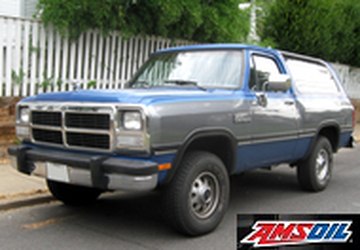
Maintaining Lubrication Standards for the 1981 Dodge Trucks RAMCHARGER 5.9L
Proper engine maintenance is a cornerstone of long-term vehicle health, particularly for a heavy-duty application like the 1981 Dodge Trucks RAMCHARGER equipped with a 5.9L engine. Ensuring that the internal components receive consistent and appropriate lubrication helps manage the mechanical stresses associated with engine operation. While many aspects of vehicle care are straightforward, managing fluid integrity and monitoring for changes in system performance requires a disciplined approach to inspection and service.Monitoring Fluid Integrity and Potential Seepage
A proactive approach to maintenance involves regular visual inspections of the engine bay to identify any signs of fluid loss. For an older vehicle, it is useful to look for evidence of seepage around various sealing surfaces. Rather than assuming specific components are failing, owners should observe the area around gaskets and seals for any oily residue or active drips. When performing these checks, pay close attention to the cleanliness of the engine block and surrounding components. A buildup of grime can often mask small, slow leaks that may eventually become more significant. If you notice fresh fluid appearing in areas that were previously dry, it warrants a closer investigation to determine the source. Additionally, checking the condition of any visible hoses or electrical connections during these inspections can provide a broader view of the engine's current state. Identifying a minor leak early is often much simpler than addressing a significant loss of lubricant later.Observing Changes in Engine Performance and Indicators
Maintaining awareness of how the vehicle behaves during operation is just as important as visual inspections. Changes in the way an engine sounds or operates can be early indicators that something requires attention. For example, unusual mechanical noises may suggest that lubrication levels are not where they should be, or that the lubricant itself has lost some of its effectiveness. It is also important to monitor any warning lights or indicators on the dashboard. If a warning light related to engine operation illuminates, it should be treated as a priority for investigation. Furthermore, changes in exhaust characteristics—such as unusual smoke—can sometimes be associated with how the engine is managing its internal fluids. Because many different mechanical issues can produce similar symptoms, these observations should not be used to diagnose a specific part failure, but rather as a prompt to seek a professional inspection or to perform a more detailed check of fluid levels and quality.Prioritizing Maintenance Based on Current Condition
For owners of a 1981 Dodge Trucks RAMCHARGER, effective long-term ownership often means moving away from rigid schedules and toward condition-based maintenance. This involves assessing the actual state of the vehicle rather than relying solely on its age. If you are working with a vehicle that has an incomplete service history, establishing a baseline is a practical first step. To establish this baseline, begin by documenting all recent fluid changes, filter replacements, and any repairs that have been performed. Once you have a clear picture of what has been done recently, you can prioritize your maintenance tasks. Addressing active leaks or responding to observed warning signs should always take precedence over general preventive measures. By focusing on the current needs of the 5.9L engine, you can allocate time and resources more effectively, ensuring that the most critical service needs are met first.Managing Aging Components and Materials
As vehicles age, the materials used in their construction—such as rubber, plastic, and various sealants—can undergo changes in their physical properties. When maintaining a 1981 model, it is helpful to inspect accessible components that may be sensitive to time and heat exposure. This includes checking the condition of any drive belts, if equipped, for signs of cracking, glazing, or fraying. Similarly, inspecting the flexibility and integrity of hoses, if present, can help prevent unexpected failures. While age alone does not mean a component is ready for replacement, being aware of how these materials behave over decades allows for more informed decision-making. Instead of replacing parts based on a calendar, look for actual signs of deterioration. This distinction between preventive maintenance and unnecessary replacement helps maintain the vehicle's utility while managing costs.The Role of Consistent Lubrication in Engine Health
The primary function of engine oil is to provide a consistent layer of protection between moving internal parts. Beyond simple lubrication, the fluid plays a role in managing the thermal environment within the engine by helping to move heat away from high-friction areas. It also serves as a medium to carry away microscopic contaminants that can accumulate during the combustion process. When the lubricant is fresh and meets the correct specifications, it helps maintain the stability of the engine's internal environment. Over time, however, lubricants can undergo chemical changes or become saturated with debris, which may reduce their ability to protect effectively. This is why monitoring the appearance and condition of the oil—noting if it appears excessively dark, gritty, or thin—is a useful part of a routine service routine.Practical Guidance for BUYING ENGINE OIL for your 1981 Dodge Trucks RAMCHARGER 5.9L
When it is time to replenish your engine's lubricant, the most important step is to ensure that the product you select matches the specific requirements of your application. To avoid errors, do not rely on general automotive knowledge or assumptions based on the vehicle's age or engine size. Instead, match the engine oil to the application-specific viscosity and information already displayed on this webpage. Before completing your purchase, follow these practical steps:- Verify Viscosity: Match the oil you are buying to the specific viscosity listed in the application information provided above.
- Check API Certification: Ensure the product carries a current and appropriate API certification to confirm it meets modern quality standards for lubrication and deposit control.
- Consider Formulations: Depending on your specific needs, you may choose between conventional, synthetic blend, or full synthetic oils. Some high-mileage oil formulations also contain additives intended for use in aging engines, including seal-conditioning additives.
- Inspect the Label: Always read the product packaging carefully to confirm that the specifications align with the data provided for your 5.9L engine.